

Optimising Nutrition for Brazilian Jiu-Jitsu: Fuelling Your Grappling Journey
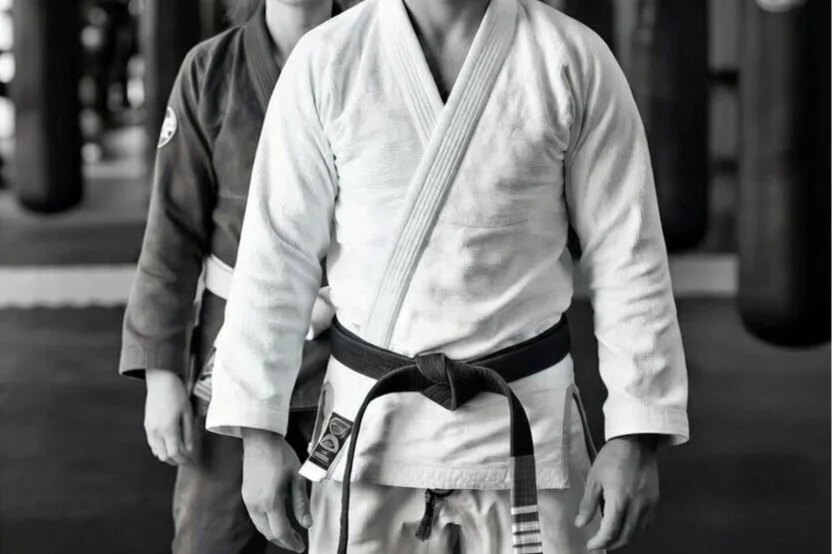
As a performance nutritionist with years of experience supporting combat sport athletes—from making weight and managing body composition, to delivering peak performance, I have seen how targeted nutrition can genuinely shift outcomes on the mat. I have also recently started my own Brazilian Jiu-Jitsu (BJJ) journey and, while I arrived with high expectations, the experience so far has comfortably surpassed them.
BJJ is physically, mentally and technically demanding, yet at the same time more rewarding than I could have imagined. Like many people starting in their 40s, I do sometimes wish I had begun as a child. However, with appropriate nutrition and complementary training (including resistance work, cardiovascular conditioning and stretching/mobility), I firmly believe that athletes of any age can enjoy a rewarding and sustainable experience in BJJ.
BJJ places a unique strain on your energy systems: explosive anaerobic bursts during scrambles and submission attempts, sustained isometric efforts (think grip battles and guard retention), and aerobic endurance to cope with repeated rolls or tournament bouts. Effective fuelling underpins better performance, faster recovery, lower injury risk and more intelligent weight management—particularly important when making weight for Gi or No-Gi competition, as I have done myself using the evidence-informed strategies outlined below.
Energy Needs and Macronutrient Balance
BJJ training is typically intermittent and high intensity, placing a heavy reliance on muscle glycogen stores. Research in BJJ athletes indicates that many consume insufficient carbohydrate for their training volume, following patterns of relatively low carbohydrate, high protein and adequate fat intake. This can compromise glycogen restoration, blunting repeated high-intensity efforts and slowing recovery between sessions.
Evidence-based guidance for grapplers and other combat sport athletes suggests:
Carbohydrate:
Heavy training days: approximately 4–7 g/kg body mass to support intense efforts and replenish glycogen.
Lighter days or during weight management blocks: 3–5 g/kg may be sufficient, but long-term low-carbohydrate strategies can impair performance in high-intensity combat settings.
Protein:
Around 1.6–2.2 g/kg body mass per day to support muscle repair from grappling-induced microtrauma and to preserve lean mass during phases of energy restriction.
Fat:
Approximately 0.5–1.0 g/kg body mass per day to support hormone function, joint health and overall energy intake, without displacing performance-supporting carbohydrate.
Total energy intake should be matched to training load and competition calendar, using activity-adjusted calculations and simple monitoring tools such as weekly body mass trends and training quality. Nutrient timing also matters: prioritising carbohydrate intake before and after sessions will help support performance and recovery around key mat time.
Hydration and Electrolytes
Wearing a gi and rolling at higher intensities can lead to substantial sweat and electrolyte losses. This can rapidly reduce grip strength, endurance, and technical decision-making, and increase the risk of cramping and premature fatigue. Dehydration remains a frequent issue in grappling sports, especially where athletes are also manipulating body mass.
Practical monitoring strategies include checking urine colour (aiming for a pale straw yellow) and tracking pre- and post-session body mass to estimate acute sweat losses. A pragmatic approach is to replace roughly 1–1.5 litres of fluid for every kilogram of body mass lost, including sodium, to improve fluid retention. For sessions exceeding 60 minutes, particularly in warm, humid training rooms. Electrolyte drinks providing approximately 50–90 mmol/L of sodium can be beneficial.
Supplements with Strong Evidence
Whole foods should always form the basis of your nutrition, but a small number of supplements with robust evidence can complement this approach. Creatine monohydrate is one of the most researched and effective options, supporting ATP resynthesis during explosive actions such as takedowns, guard passes and intense grip exchanges. Evidence from combat sport and grappling-related settings demonstrates benefits for maximal strength, power and repeated high-intensity performance, as well as some recovery indices. A typical protocol is 3–5 g creatine monohydrate per day, without needing long loading phases, alongside maintaining good hydration.
Other useful options, where appropriate, may include:
Caffeine to support focus, perceived effort and endurance in training or competition settings.
Vitamin D supplementation when blood tests confirm insufficiency or deficiency, which is common in indoor athletes in the UK.
Any supplementation strategy should be individualised and ideally guided by assessment, medical history and competition requirements.
Weight Management for Gi and No-Gi
Weight categories are central to BJJ competition, and rapid weight loss (RWL) strategies, often driven by dehydration, are still widely used across grappling sports. However, aggressive dehydration can impair performance, mood, technical execution and overall health. Recent position stands from the International Society of Sports Nutrition (ISSN) on combat sport nutrition and weight-cut strategies emphasise more gradual, safer approaches, particularly where same-day or short-notice weigh-ins are common, as they are in many BJJ events.
In my own competition preparation, I have successfully made weight for both Gi and No-Gi divisions using progressive, controlled methods:
Targeted fat loss of around 0.5–1.0% of body mass per week.
Higher protein intakes to protect lean mass and facilitate recovery.
Strategic manipulation of carbohydrate and fibre intake in the final 24–48 hours before weigh-in, rather than aggressive dehydration alone.
Structured re-fuelling after weighing in, with 8–12 g/kg carbohydrate (as needed) plus fluid and electrolytes to restore glycogen and plasma volume before stepping on the mat.
Where possible, limit rapid weight loss to less than 5% of body mass and prioritise recovery and rehydration to support technical and physical performance on competition day.
Sample Daily Structure for BJJ Practitioners
The outline below is for an ~80 kg athlete training 4–6 times per week; quantities should be adjusted to individual needs, preferences and goals.
Higher-Load Training Day (e.g. intense rolling)
Breakfast
Oats (~80 g) with milk, one banana, 30 g whey or plant-based protein, plus a small handful of nuts.
Pre-training snack
Greek yoghurt with berries and a drizzle of honey.
Post-training
40 g whey protein shake, one banana, and a carbohydrate source such as oats or rice, followed by a meal based on chicken or another lean protein source.
Lunch/Dinner
Salmon or chicken (approximately 200 g), quinoa or rice (around 150 g cooked), a variety of vegetables and some avocado.
Evening snack
Cottage cheese with fruit.
On moderate or recovery days, shift the emphasis slightly towards protein and healthy fats (for example, eggs, oily fish, nuts, seeds and plenty of vegetables) while keeping carbohydrates at a moderate level to match the reduced training demand. This type of periodised approach, sometimes termed “fuelling for the work required”, aligns intake with the day’s energy and training demands.
BJJ Nutrition for Performance: Recovery Protocols for Grapplers
If you are rolling 4–5 times per week, you may recognise the pattern: grip strength fading mid-spar, recovery dragging out to 72 hours, and weight cuts leaving you flat before you even start to warm up. The framework below outlines the type of nutrition system I use with BJJ athletes to improve endurance, shorten recovery windows and sustain high training intensity through a camp.
The BJJ Nutrition Problem
BJJ requires a very specific fuelling strategy: explosive takedowns, 5–8 minute rounds of intense isometric gripping and, for many competitors, 6–8% body mass cuts in the lead-up to events. Generic “fitness” nutrition does not always translate well into this environment. Common pitfalls include:
Over-emphasising carbohydrate at the wrong times, which can lead to bloating and discomfort in high-intensity No-Gi sessions.
Low sodium intake, reducing blood volume and contributing to poorer tolerance of morning or fasted drills.
Suboptimal protein intake, impact on recovery and adaptation.
Core BJJ Macros: Periodised Around Training
Below is an example framework for an 80 kg BJJ athlete. This should always be adapted to the individual, but it illustrates how macronutrients can be adjusted across phases.
Example Macro Targets (80 kg athlete)
| Phase | Goal | Protein | Fat | Carbohydrate | Energy (kcal) | Notes |
|---|---|---|---|---|---|---|
| Baseline (off-season, 4x/wk rolling) | Maintenance | 2.2 g/kg (176 g) | 1.0 g/kg (80 g) | 4.0 g/kg (320 g) | 2800–3000 | Approx. 40/25/35 split |
| Cut (around -0.5 kg/week) | Gradual fat loss | 2.4 g/kg (192 g) | 0.8 g/kg (64 g) | 2.5 g/kg (200 g) | ~2400 | Consider 5 g creatine |
During competition week, carbohydrate and fat are periodised further:
Monday–Wednesday (hard rolls): add around 50 g carbohydrate (e.g. oats or rice) and around 5 g sodium per day.
Thursday–Saturday (weight cut): reduce carbohydrate by roughly 100 g per day, consider strategic caffeine use (where appropriate) and modest medium-chain triglyceride (MCT) intake if tolerated.
Sunday (weigh-in and refeed): aim for approximately 8 g/kg carbohydrate and 2.2 g/kg protein to restore glycogen and support muscle recovery.
Protein remains a priority, with around 40 g after rolling (for example, whey plus collagen to support tendon and connective tissue). A total daily intake where up to 30% comes from supplements (shakes, bars) can be acceptable, provided whole foods remain central.
Daily Meal Structure Around Rolling
Pre-Roll (about 90 minutes before training, 600–800 kcal)
Option 1
Bagel, 30 g whey, 20 g almond butter and one banana (approximately 80 g carbohydrate, 40 g protein).
Option 2
100 g oats, 200 ml semi-skimmed milk, plus creatine and a pinch of salt (around 90 g carbohydrate, 30 g protein).
This type of meal pattern helps maintain stable blood glucose across a 90-minute intensive rolling session.
Intra-Roll (competition environments)
500 ml water with approximately 30 g carbohydrate powder and around 2 g sodium per litre, sipped between rounds.
Post-Roll (within about 20 minutes, ~600 kcal)
Liquid option
40 g whey isolate, 50 g maltodextrin, 5 g creatine and an appropriate source of magnesium.
Solid option
200 g chicken, 150 g rice, 200 g broccoli and a small amount (around 10 ml) of olive oil.
This structure supports muscle protein synthesis and glycogen replenishment in the hours after training.
Evening Routine (supporting recovery)
Around 30 g casein, 10 g collagen peptides and a small portion of nuts (e.g. 20 g almonds), with a consistent sleep schedule (for example, aiming for lights out by 22:00 where possible).
Travel Considerations (London to European competitions)
Pack shelf-stable options such as protein bars (around 40 g protein), pre-portioned electrolyte sachets and powdered supplements in carry-on luggage to protect your routine when travelling.
Supplement Strategy: Evidence-Based Options for Grapplers
A focused supplement plan can support your training and recovery when built on a solid dietary foundation:
Creatine monohydrate: 5 g per day, supporting grip strength and fatigue resistance over several weeks of structured training.
Magnesium: around 300–400 mg in the evening, particularly where dietary intake is suboptimal, to support muscle function and sleep quality.
Vitamin D3 (with K2 where indicated): doses tailored to blood results, as optimising vitamin D status can benefit musculoskeletal health and hormone function, especially in deficient athletes.
Omega-3 (EPA/DHA): around 2–3 g combined EPA/DHA per day from food and/or supplements to support joint health and recovery from intensive training blocks.
Beta-alanine: approximately 4–6 g per day during competition phases, divided into smaller doses to reduce paraesthesia, to elevate muscle carnosine and support repeated high-intensity efforts.
Competition “cut” stack: in some cases, carefully timed caffeine, amino acids such as L-tyrosine and electrolyte strategies can be layered into a broader, supervised weight-cut protocol.
Any such approaches should be individualised, consistent with anti-doping regulations and aligned with an athlete’s medical profile.
Weight-Cut Strategy: Sustainable 6–8% Reductions
A typical week-of-competition structure for an 80 kg athlete targeting approximately 74 kg might look like:
Days -7 to -4
Around a 500 kcal daily deficit, modest reductions in carbohydrate (for example, -50 g), and an increase in low-intensity activity such as walking (e.g. 10,000 steps per day).
Days -3 to -1
Around a 1000 kcal daily deficit, further carbohydrate reductions (for example, -150 g), and, in some models, progressive reductions in sodium and carefully controlled heat exposure.
Day -1 (24 hours before weigh-in)
Water loading and subsequent restriction are sometimes used in combat sports, but these should only be undertaken under professional guidance.
Weigh-in
Any final acute losses should be minimal, followed by prompt rehydration and carbohydrate-focused refeeding to restore readiness.
Closing Thoughts
BJJ has exceeded my expectations in every respect: it is demanding, but the technical learning, community, and sense of progress make it uniquely rewarding. Nutrition does not need to be perfect; it needs to be consistent and aligned with your training so that you can train harder, recover more effectively and stay on the mats for longer, whether you are starting in your 40s or competing at the highest level.